


MBBS (Singapore),
MRCOG (UK),
FAMS (Singapore)

What Happens During Your First Routine Gynae Check-Up?
Many women feel nervous before their first gynae appointment, especially if they are unsure what to expect. It is natural to have questions about whether an examination will be needed, what topics will be discussed or if the visit will be uncomfortable. These uncertainties can cause some women to postpone routine check-ups, even though regular gynaecological care plays an important role in protecting their long-term health.
A routine gynae consultation is not only for women who are pregnant or experiencing symptoms. It is also an opportunity to discuss menstrual health, contraception, fertility, menopause and other concerns in a confidential and supportive setting. Depending on your age, medical history and individual risk factors, your gynae may also recommend appropriate screening tests to help detect potential health issues early.
Understanding what happens during a routine gynae check-up can help ease anxiety and give you greater confidence to seek the care you need.
Why Routine Gynae Check-Ups Are More Than Just an Examination
Many women feel uncertain before their first gynae appointment because they are unsure what will happen during the consultation. While every visit is tailored to your individual needs, understanding what to expect can help you feel more prepared and comfortable. A routine gynae check-up is designed to assess your reproductive health, address any concerns and recommend appropriate examinations or screening based on your age, medical history and health goals.
An Opportunity to Discuss Your Health Concerns
You do not need to wait until you experience pain, abnormal bleeding or other symptoms before scheduling a gynae check-up. Routine consultations allow your gynae to monitor your reproductive health, discuss menstrual cycles, contraception, fertility plans or menopausal concerns and recommend appropriate screening tests. Preventive care can help identify certain conditions early, often before noticeable symptoms develop.
Whether a Pelvic Examination May Be Recommended
Not every gynae appointment includes a pelvic examination. Whether one is recommended depends on the reason for your visit, your age, symptoms and medical history. For example, consultations about contraception, menstrual irregularities or fertility may not always require an internal examination. If a pelvic examination is advised, your gynae will explain its purpose, obtain your consent beforehand and ensure you are as comfortable as possible throughout the process.
Personalised Care Based on Your Individual Needs
A routine gynae check-up is suitable for women at different stages of life, regardless of whether they are sexually active. Your gynae will recommend examinations, screening tests and discussions based on factors such as your age, symptoms, medical history and personal health goals. This ensures that your care is appropriate and tailored to your individual circumstances.
Advice on Your Reproductive Health
A gynae consultation is not limited to screening tests such as Pap smears or HPV testing. It is also an opportunity to ask questions about menstrual health, contraception, fertility, pregnancy planning, menopause, sexual health and lifestyle factors that may affect your reproductive wellbeing. If further assessment or treatment is needed, your gynae can also advise you on the most appropriate gynaecological services for your individual needs. Your gynae will provide personalised advice and recommend any investigations or follow-up care if needed.
How to Prepare for Your First Gynae Appointment
Preparing for your first gynae appointment can help you feel more confident and make the most of your consultation. While no special preparation is usually required, having some information ready and knowing what to expect can help your gynae better understand your health and address any concerns you may have.
Know Your Menstrual and Medical History
Before your appointment, note the date of your last menstrual period, the length and regularity of your cycle, and any symptoms such as heavy bleeding, severe cramps or unusual discharge. It is also helpful to bring a list of your medications, past medical conditions, previous surgeries and any relevant family history.
Prepare Your Questions and Concerns
Write down any questions or symptoms you would like to discuss, even if they seem minor or embarrassing. Whether you have concerns about contraception, fertility, menstrual health or menopause, raising them during your appointment helps ensure they are addressed.
Wear Comfortable Clothing and Arrive Relaxed
Choose comfortable, easy-to-remove clothing in case a physical examination is recommended. Try not to feel anxious if it is your first visit as many first gynae appointments involve discussion only, and any examination will be explained beforehand and performed only with your consent when clinically appropriate.
Bring Previous Test Results If Available
If you have had previous Pap smears, pelvic ultrasounds, blood tests or other relevant investigations, bring the reports if possible. Having access to your previous results can give your gynae a more complete understanding of your health and help avoid unnecessary repeat testing.
What Happens During a Routine Gynae Consultation?
A routine gynae consultation is tailored to your age, medical history, symptoms and health goals. While every appointment is different, most follow a similar structure designed to assess your overall gynaecological health, address any concerns and recommend appropriate screening or preventive care.
Medical History and Health Discussion
Your consultation usually begins with a discussion about your general health and any concerns you may have. Your gynae may ask about your menstrual cycle, symptoms, past medical conditions, medications, previous surgeries, family history and, where relevant, your sexual, contraceptive or pregnancy history. This conversation helps guide any examinations or investigations that may be recommended.
Physical and Pelvic Examination
If clinically appropriate, your gynae may perform a physical examination, which could include an abdominal examination, breast examination or pelvic examination. Not every patient will require a pelvic examination, particularly if you are attending for a routine discussion or do not have symptoms. Before any examination, your gynae will explain what it involves, answer your questions and obtain your consent.
Recommended Women's Health Screening Tests
Depending on your age, symptoms and individual risk factors, your gynae may recommend screening tests or investigations. These may include cervical cancer screening (Pap smear and/or HPV test), sexually transmitted infection (STI) screening, pelvic ultrasound or blood tests where indicated. Any recommended tests will be discussed with you beforehand so you understand their purpose and whether they are appropriate for your situation.
Personalised Advice and Next Steps
Before the consultation ends, your gynae will explain any findings, answer your questions and discuss whether further investigations, treatment or follow-up are needed. You may also receive personalised advice on contraception, fertility planning, menstrual health, menopause or lifestyle measures to support your long-term reproductive health.

Prioritising Your Women's Health with Regular Gynae Check-Ups
Routine gynae check-ups are an important part of preventive healthcare, helping to identify potential concerns early while supporting your reproductive health at every stage of life. Whether it is your first visit or a regular review, seeking timely care can give you greater confidence and peace of mind.
At Healthcare for Women, we provide comprehensive obstetric and gynaecological care for women at every stage of life, from preventive health screening and reproductive health to pregnancy and menopause. Led by Dr Chen Chern Yi, our experienced obstetrician and gynaecologist in Singapore, we offer personalised, compassionate care in a comfortable and supportive environment.
Contact us today to schedule a consultation and take a proactive step towards protecting your reproductive health.
Frequently Asked Questions (FAQs) About Gynae Check-Ups
Can I have a gynae check-up while I am on my period?
In many cases, you can still attend your appointment if you are having your period, especially if the consultation is mainly for discussion or to address symptoms. However, if a Pap smear or certain examinations are planned, your gynae may recommend rescheduling depending on the heaviness of your menstrual flow. If you are unsure, contact the clinic before your appointment for advice.
Can I bring someone with me to my gynae appointment?
What if I feel nervous or embarrassed during my first gynae visit?
Will my gynae appointment be kept confidential?
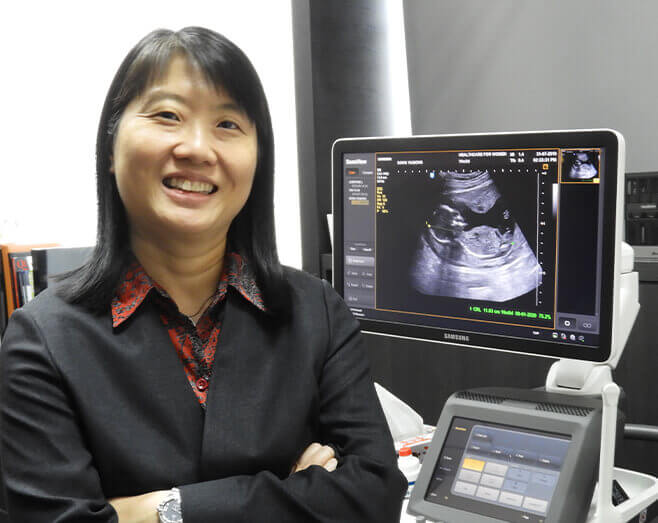
Meet Our Gynae Specialist in Singapore
Dr Chen Chern Yi is an obstetrician & gynaecologist with over 20 years of experience providing comprehensive women's healthcare. She manages a wide range of gynaecological and obstetric conditions, offering personalised care for women at every stage of life, from adolescence and reproductive health to pregnancy, menopause and preventive health screening.
Dr Chen graduated from the National University of Singapore and completed her specialist training at KK Women's and Children's Hospital before establishing her private practice in 2002. She is a Member of the Royal College of Obstetricians & Gynaecologists (UK), a Fellow of the Academy of Medicine, Singapore, and holds a Postgraduate Diploma in Acupuncture. Committed to delivering evidence-based and compassionate care, Dr Chen works closely with each patient to support their long-term health and well-being.


